
Professional Nail Tool Washable Half Moon Nail File 180 240 Grit Thin Wood Nail File
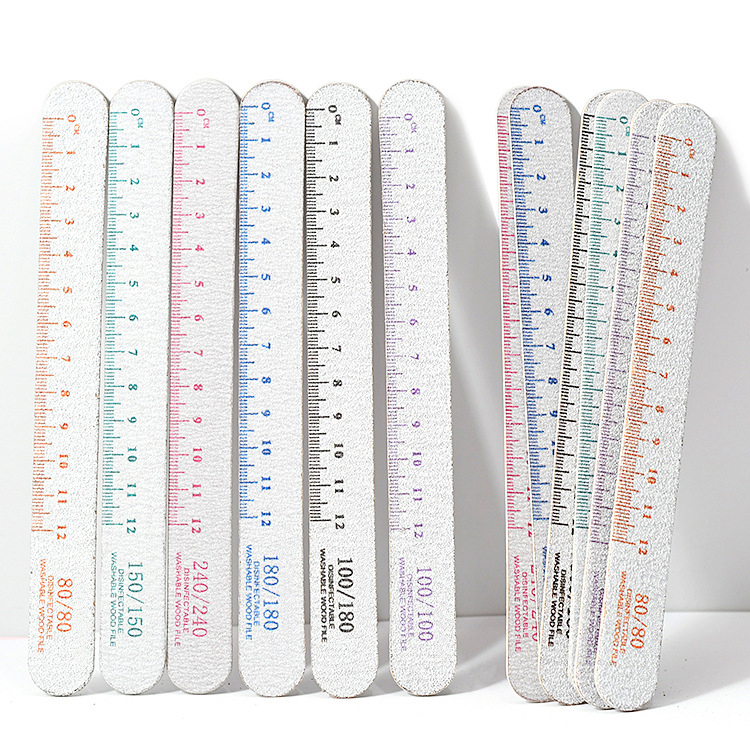
Ultra Thin Wooden Nail File Long Strip Zebra Nail Polishing File Wholesale
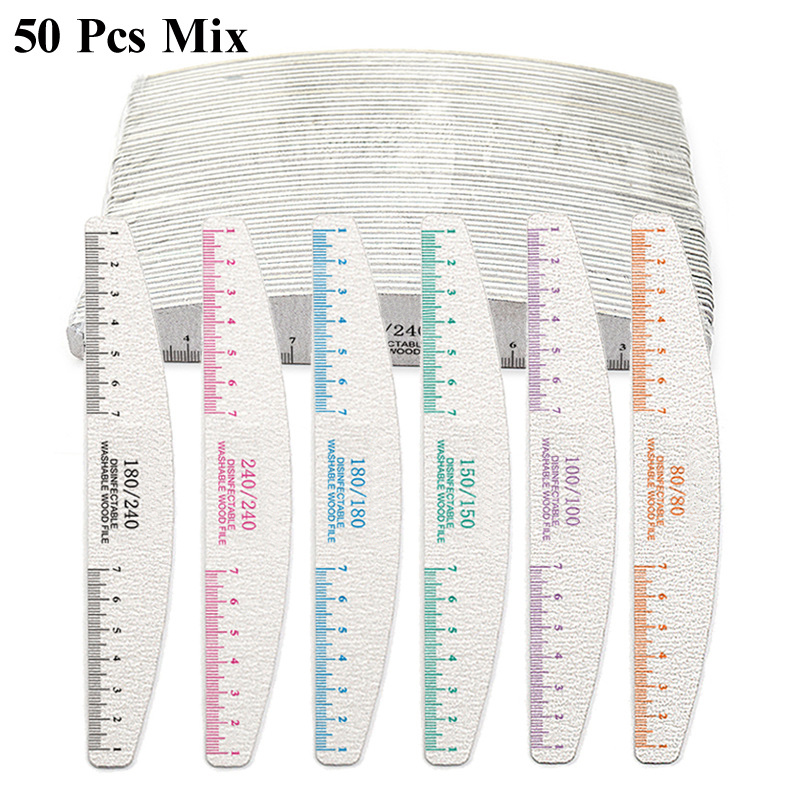
Custom Logo Washable Half Moon Nail File 100 150 180 Grit Thin Wood Nail File
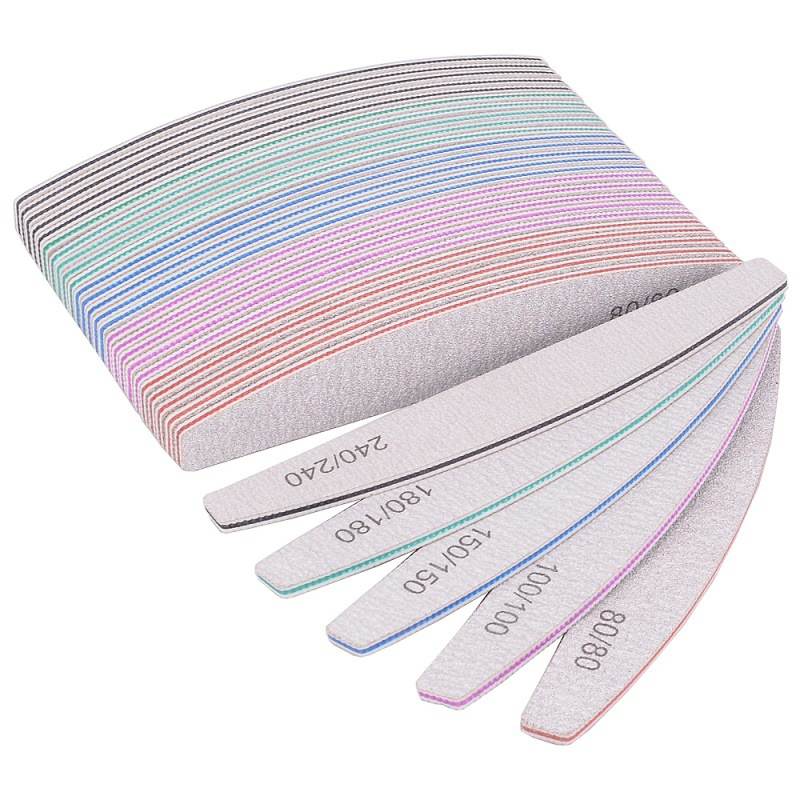
professional nail tool 80 100 180 grit nail sanding file zebra nail file custom logo
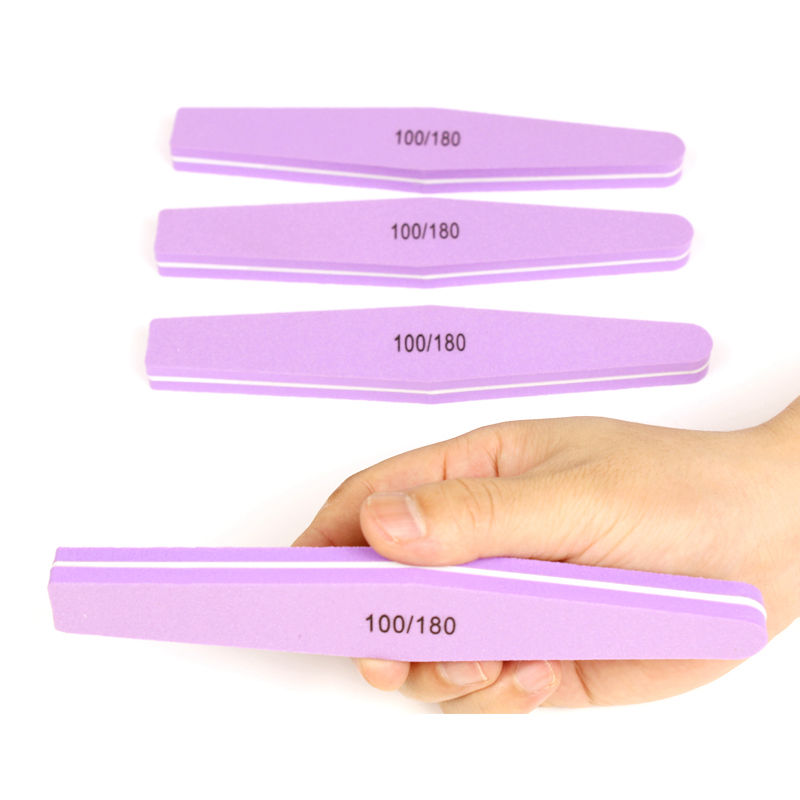
sponge nail buffer
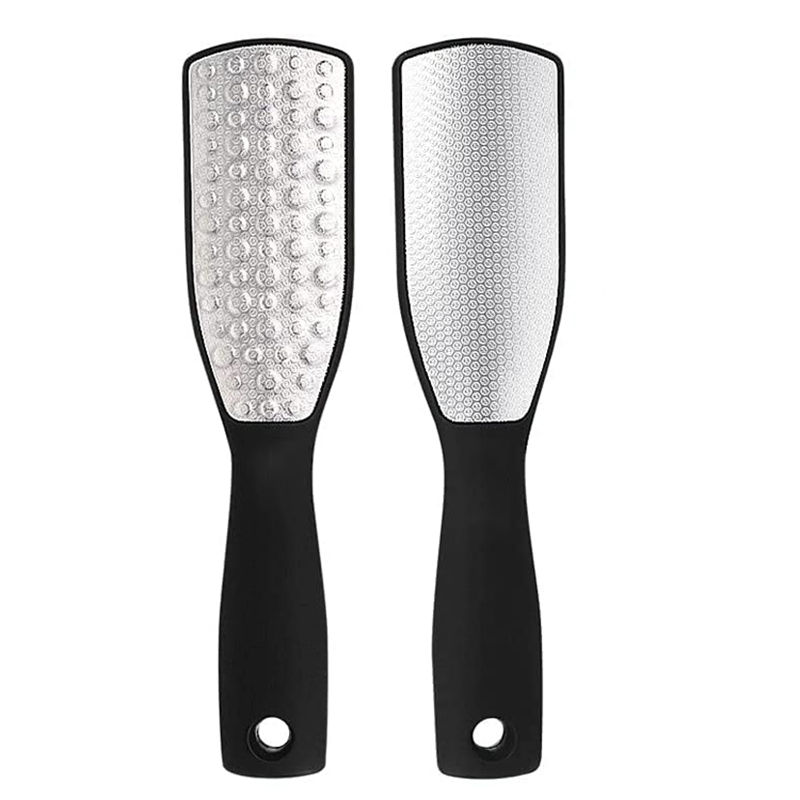
Metal foot file
Link Factory verification
OCT.09,2026PK67 vs Local PK Casinos: What Actually Differs
SEP.22,2026PK67 Beats Casinostugan on Games, Loses on Safety
SEP.22,2026Game Shows or Classic Live Monopoly Live?
SEP.22,2026777CB or Rant Casino: Which Payment Methods Fit You?
SEP.22,2026Do New Slots Really Pay Out More?
SEP.21,2026Lightning Roulette or RNG Roulette: Which Plays Better?
SEP.21,2026Play’n GO vs Push Gaming: Which Slots Feel Better?
SEP.21,2026Lucky Lady Moon Jackpot Trigger Mechanics Explained
SEP.21,2026Jackpot Sakura Fortune Worth It When The Pot Is Low?
SEP.20,2026
Very high volatility slots are built for bigger swings, and that changes everything for slots, volatility, RTP, payouts, variance, bankroll planning, game types, and risk level. From an operator angle, z777 is not chasing steady drip-feed sessions here; they are managing sharp bankroll pressure, uneven session length, and a payout curve that can look dead for long stretches before one hit resets the math. The thesis is simple: the upside is real, but the cost of bad selection, weak messaging, or sloppy game placement shows up fast in hold volatility and player churn. For z777, the job is not to sell fantasy. It is to match the right player to the right risk profile and keep the session alive long enough for the math to work.
That mistake starts with expectation management. A player who loads a very high volatility slot with a $50 bankroll and expects frequent payouts is set up for frustration, and the operator pays for that frustration through shorter sessions, more support noise, and weaker return visits. In z777’s world, the real cost is not just the lost spin count; it is the damaged trust when the game behaves exactly as designed but the player was never told what “designed” means.
Very high volatility titles such as Deadwood from Nolimit City and Wanted Dead or a Wild from Hacksaw Gaming are built around sparse hit frequency and oversized top-end potential. That makes them strong acquisition tools for the right segment, but only if the platform frames them as high-risk entertainment rather than routine slot play. z777 should segment these games by appetite, not by generic popularity.
Operator metric: a 12% drop in average session length can erase the margin from a strong bonus campaign if the volatility mix is too aggressive for the audience.
The first fix is simple. Put bankroll guidance in the same decision path as game discovery. If z777 lets players jump into extreme variance without context, the platform is basically paying to accelerate churn.
RTP is not a magic shield. A slot can sit at 96.1% and still feel brutal if the volatility is extreme, while a 96.5% game may appear friendlier because the hit pattern lands more often. For z777, the mistake is using RTP as the headline filter and forgetting that variance drives how players experience that number in real time.
Comparison works better than raw marketing copy. A very high volatility release from Pragmatic Play, such as Gates of Olympus 1000, can carry a different session rhythm than a similarly priced title from another studio, even when the long-run return is close. The player does not feel the math in abstract terms; they feel streaks, droughts, and the size of the rescue hit.
| Game | Provider | RTP | Volatility |
| Deadwood | Nolimit City | 96.00% | Very high |
| Wanted Dead or a Wild | Hacksaw Gaming | 96.38% | Very high |
| Gates of Olympus 1000 | Pragmatic Play | 96.50% | Very high |
For z777, the business issue is promotion efficiency. If bonus spend is aimed at players who want frequent action, then extreme volatility inflates the cost per retained user. The platform should reserve the heaviest games for cohorts that already show patience, higher stakes, or repeat engagement with long-variance titles.
Very high volatility slots sell the dream too easily. One screenshot of a massive multiplier can drive clicks, but if the landing page omits the cold reality of drawdown, the traffic quality collapses. z777 should not market these titles as easy money or even as broadly accessible entertainment. The language has to filter, not inflate.
If a player lands on a page for a title such as San Quentin xWays from Nolimit City or Stormforge from Hacksaw Gaming, the messaging should answer three practical questions fast: how often can the game pay, how deep can the bankroll go, and what kind of session is this built for? That kind of framing reduces mismatch and improves downstream conversion quality.
Rule of thumb: when a game’s hit frequency is low, the marketing funnel should focus on session tolerance and feature excitement, not on “steady wins.”
z777 can still push volume, but the creative has to be honest. If the promise is too soft, the platform attracts the wrong crowd and pays for it in bonus abuse, short sessions, and weak LTV.
Players do not need a lecture. They need a usable frame. Very high volatility slots require more than a bet size; they require a bankroll plan, and z777 should present that plan in plain terms. The operator loses money when users burn through funds before the game’s structure has any chance to pay back.
For practical positioning, a session model built around 100 to 200 spins gives a better read on variance than a tiny sample. That is where the operator can steer players toward titles that match their patience level. A comparison with pragmatic-play-style feature ladders helps here, because many players understand a bonus hunt differently from a pure high-variance chase.
z777 can improve outcomes by using three visible labels: short-session risk, bonus-chase suitability, and bankroll depth. Those labels do not need to be flashy. They need to be accurate.
In very high volatility slots, the first 20 spins often tell you nothing about the final outcome.
That is exactly why bankroll advice matters. If the platform frames the first loss streak as failure, the player bails early. If it frames the streak as normal variance, the session has a chance to breathe.
Not every very high volatility game should be treated the same. z777 has to look at mechanics, bonus triggers, multiplier potential, and feature frequency as separate commercial levers. A narrow catalog built only around one-hit headlines leaves money behind because different players tolerate different types of variance.
Some users want sticky wilds and bonus ladders. Others want brutal base-game droughts with explosive bonus peaks. That is why titles from Nolimit City, Hacksaw Gaming, and Pragmatic Play cannot be grouped into one generic “high risk” bucket. The operator needs a cleaner taxonomy: feature-heavy, bonus-dependent, and jackpot-chase oriented.
Single-stat highlight: a 5% improvement in segment-to-game matching can outperform a much larger bonus budget increase when volatility is the main driver of churn.
For z777, the best move is operational, not cosmetic. Build discovery around the player’s tolerance for drawdown, then place the most punishing games where the audience already expects long swings. That keeps high-volatility content profitable instead of chaotic.
Spin count looks useful until it lies to you. A very high volatility slot can generate plenty of clicks and still underperform if players are not surviving long enough to reach the feature cycle. z777 should measure session depth, bonus entry rate, loss recovery rate, and post-hit retention. Those numbers tell the real story.
When the platform watches only raw spin volume, it misses the fact that different game types create different revenue shapes. A long-tail variance game may produce lower immediate turnover but stronger high-value spikes. A balanced portfolio includes that tradeoff on purpose, not by accident.
z777 does best when it treats volatility as a portfolio decision. Mix the extreme titles with lighter games, keep the catalog legible, and make sure the player knows what kind of ride they are choosing. That is how very high volatility stops being a support problem and starts becoming a controlled revenue engine.


Guangzhou Fantastic Beauty Nail Co., Ltd .© 2020 ALL RIGHTS RESERVED Shipping PolicyReturn PolicyPrivacy Policy