
Professional Nail Tool Washable Half Moon Nail File 180 240 Grit Thin Wood Nail File
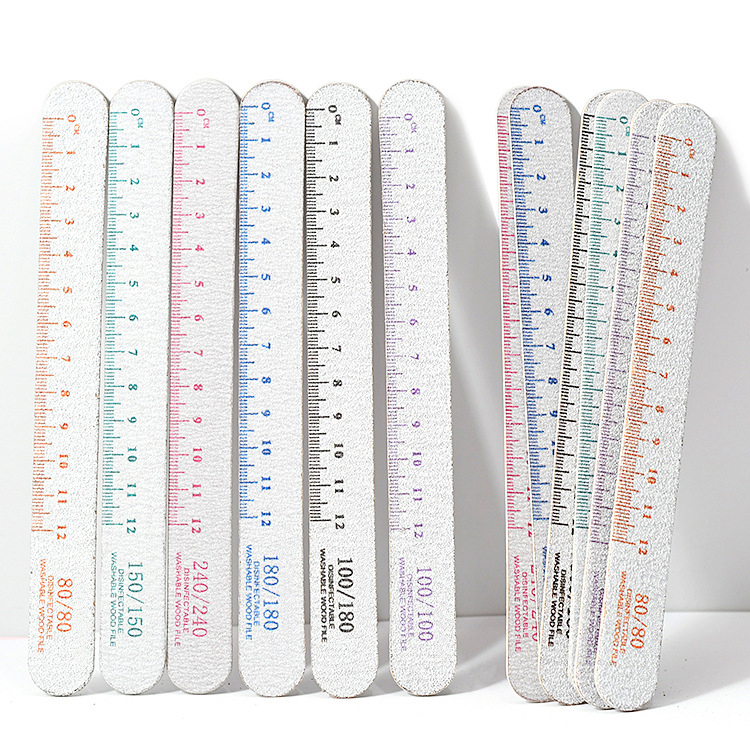
Ultra Thin Wooden Nail File Long Strip Zebra Nail Polishing File Wholesale
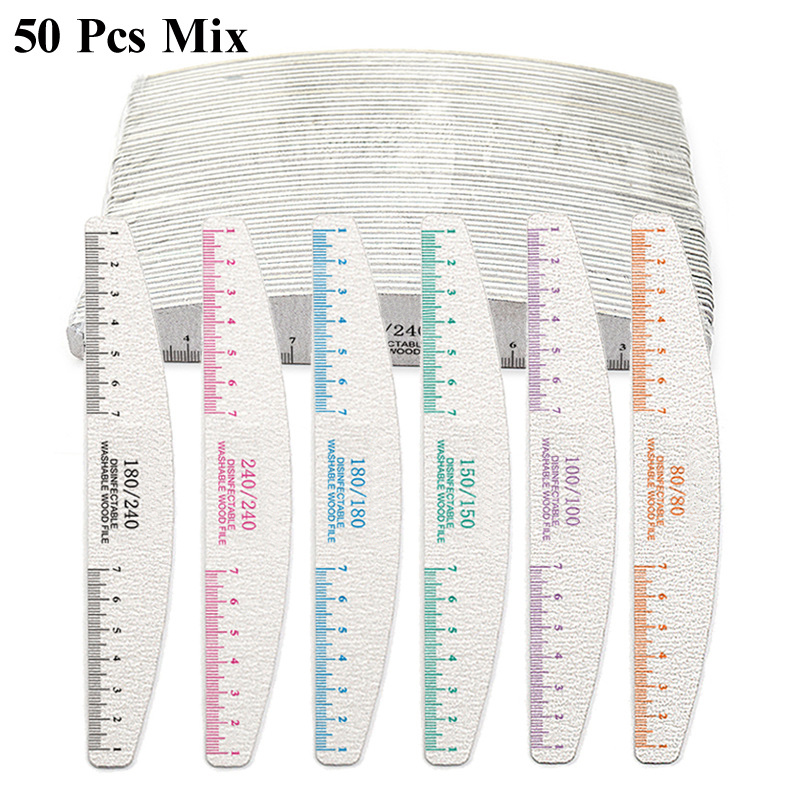
Custom Logo Washable Half Moon Nail File 100 150 180 Grit Thin Wood Nail File
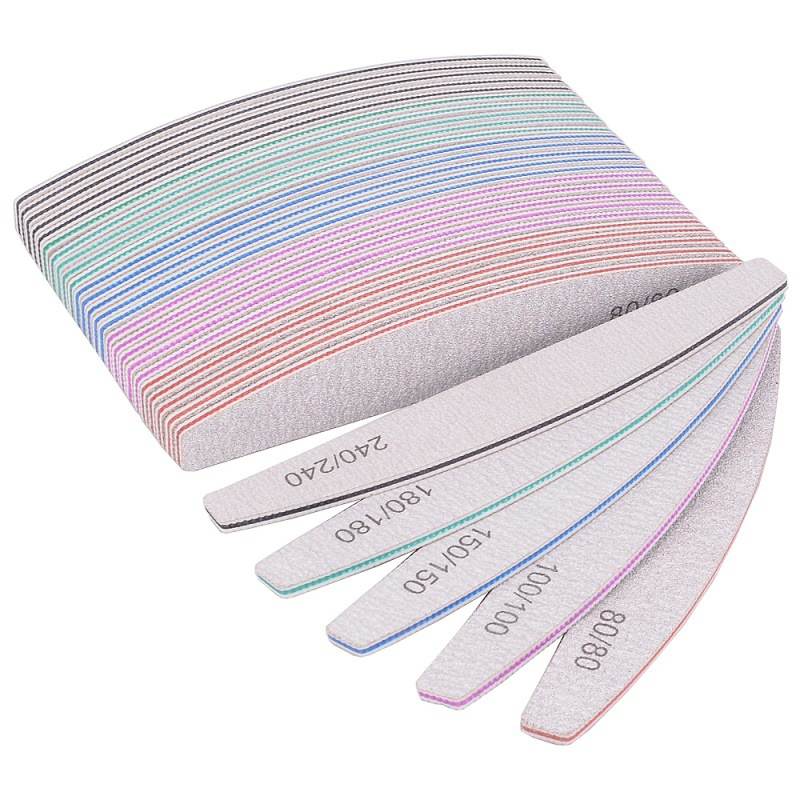
professional nail tool 80 100 180 grit nail sanding file zebra nail file custom logo
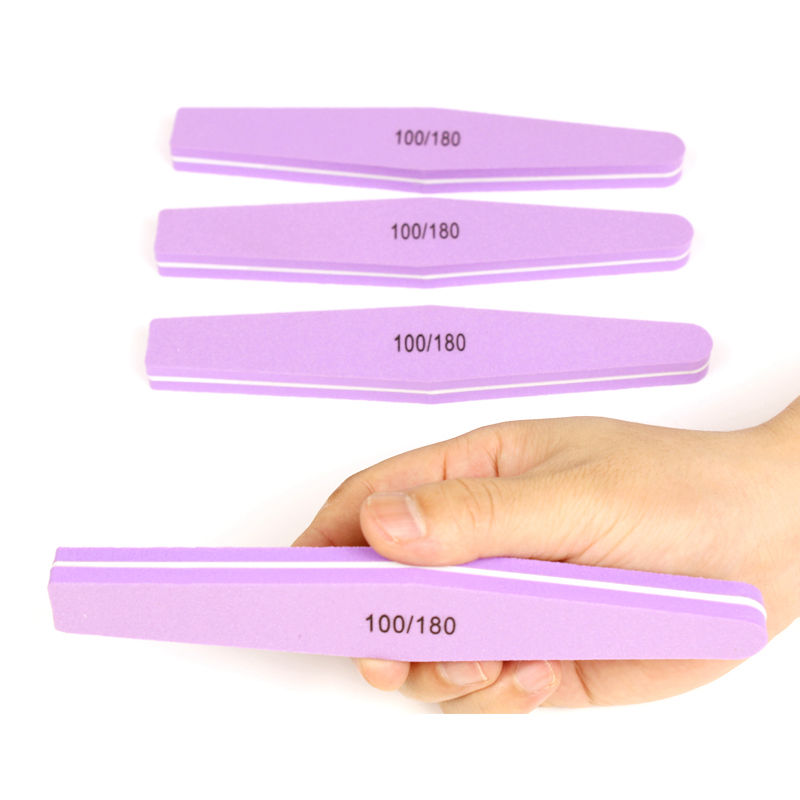
sponge nail buffer
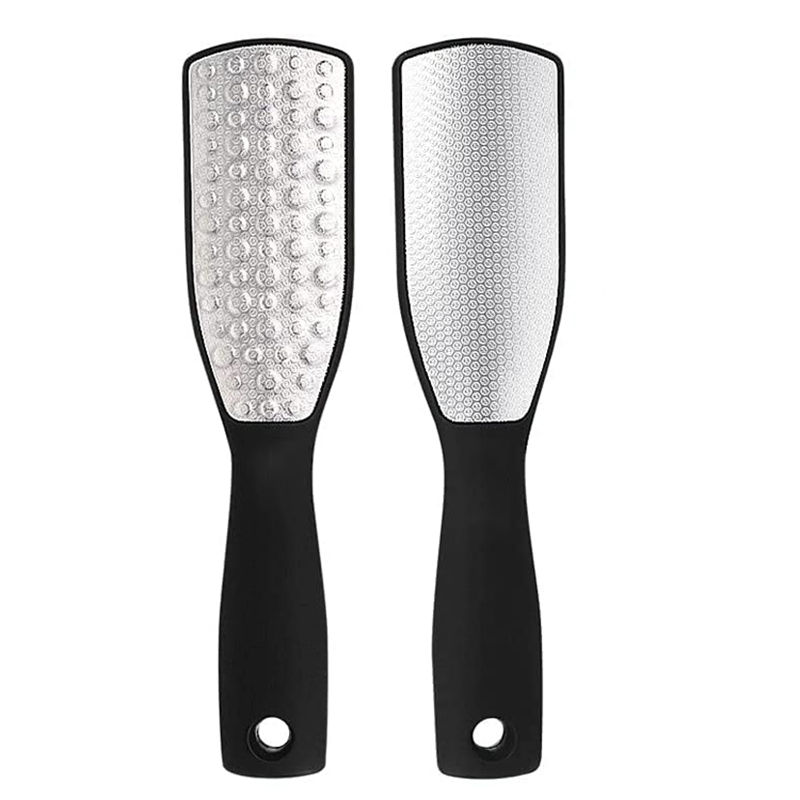
Metal foot file
Jeux gratuits et promotions intéressantes sur https://depannloisirs-87.fr pour les nouveaux joueurs
NOV.11,2026Apuesta emocionante con https://chicken-road-es.com.es y disfruta de cada desafío en línea
NOV.11,2026Comptes joueurs sur casinias.fr et options de paiement simplifiées
NOV.11,2026Detailed login guides for vegas-hero.uk and secure casino bets
NOV.11,2026Uitbetalingen op https://luck-true.nl via diverse banken en e-wallets
NOV.11,2026Deposit options on the site lucky-wave.org.uk for casino bets
NOV.11,2026Kontot hos https://chicken-road-se.com.se ger dig en chans att testa dina reflexer i ett roligt spel
NOV.11,2026Προσοχή στις λεπτομέρειες γύρω από το https://plinko.edu.gr για έξυπνους παίκτες και μεγάλες νίκες
NOV.11,2026Account registration at https://advancingkids.org for new casino gamers and bonus access
NOV.11,2026Бонусы для новичков в Pinco и выгодные условия регистрации сегодня
NOV.11,2026
In live casino play, player preferences often split between spectacle and control, and Monopoly Live sits right on that fault line. As a recovering gambler, I read the game less as entertainment and more as a lesson in live dealer psychology, bonus rounds, and table games discipline. H555 has positioned the title as a bridge between game shows and classic live formats, yet the real question is whether the extra animation helps decision-making or feeds the same bias that keeps people chasing one more round. The comparison is not about taste alone; it is about how live dealer pacing, game comparison habits, and bonus rounds can shape risk, especially when the presenter’s energy masks the math.
When Monopoly Live launched in 2019, it stood out because it changed the feel of live casino play without abandoning familiar betting logic. The base game used straightforward wagers, but the bonus wheel introduced a second layer that many players interpreted as momentum. That is classic availability bias: a recent win feels more common than it is. In practice, H555’s audience was being offered a title that sat between table games and game shows, with the live dealer acting as host rather than croupier. The design worked because it gave players a sense of participation, even when the house edge remained fixed by the rules.
RTP reference point: Monopoly Live is commonly cited around 96.23% RTP, which places it in a competitive range for live casino entertainment, even if volatility changes the experience sharply from one round to the next.
By 2020, the bonus round had become the part most players remembered, and that shifted the game’s identity. The wheel, multipliers, and board-based features made the title feel more dynamic than standard live dealer roulette or blackjack streams. Yet the same structure also encouraged the gambler’s fallacy. I learned that the hard way: after a long dry spell, the mind starts treating the next spin as “due,” even though each round is independent. H555’s presentation amplified the emotional side of play, so the practical response was to treat the bonus as a rare event, not a plan.
In 2021, the broader market showed a clear shift: game shows started drawing attention away from classic table games in live casino lobbies. The appeal was obvious. Game shows reduce the pressure of reading cards or counting outcomes, and they replace it with visuals, sound, and a host-driven rhythm. For H555, that meant Monopoly Live could be marketed as a social experience rather than a pure wagering tool. Academic work on variable reward schedules helps explain why this format sticks; unpredictable reinforcement keeps attention high, even when the odds do not improve. Players often confuse stimulation with advantage.
| Format | Player appeal | Risk profile |
| Monopoly Live | High visual engagement | Moderate to high volatility |
| Roulette | Fast, familiar structure | Lower sensory overload |
| Blackjack | Strategy-focused play | More decision pressure |
By 2022, the useful comparison was no longer “which game is more exciting?” The better question was which format helps players stay within limits. H555’s presentation of Monopoly Live made sense for short sessions, but it also rewarded impulsive re-entry after losses. That pattern is common in live casino environments because the next round starts quickly, leaving little time for reflection. A cautious player should compare games by volatility, session pace, and emotional carryover, not only by RTP. In that frame, classic live dealer table games often offer a calmer structure, while Monopoly Live delivers stronger sensory pull.
A practical rule from behavioral research: the faster the feedback loop, the more carefully a player should set a stop point before the first wager.
In 2023, player preferences became easier to read. One group wanted the familiar discipline of table games; another wanted the lighter social tone of game shows. Monopoly Live held its place because it satisfied both groups imperfectly. That is part of its strength and part of its danger. If you enjoy live dealer interaction but know you chase outcomes after losses, the title can be costly. If you prefer structured betting and clearer pacing, classic live casino products usually support better self-control. H555’s catalog reflects that divide, and a sensible player should choose the format that reduces emotional drift, not the one that promises the biggest reaction.
From 2019 to 2023, Monopoly Live moved from novelty to established live casino staple. The game show format won attention because it made betting feel lighter, but the psychology underneath never changed. Bonus rounds still drive excitement; live dealer presentation still shapes perception; table games still offer a cleaner tempo for players who want less noise. For anyone recovering from losses, the safest comparison is simple: choose the game that makes it easiest to stop, not the one that makes it easiest to stay entertained.


Guangzhou Fantastic Beauty Nail Co., Ltd .© 2020 ALL RIGHTS RESERVED Shipping PolicyReturn PolicyPrivacy Policy