
Professional Nail Tool Washable Half Moon Nail File 180 240 Grit Thin Wood Nail File
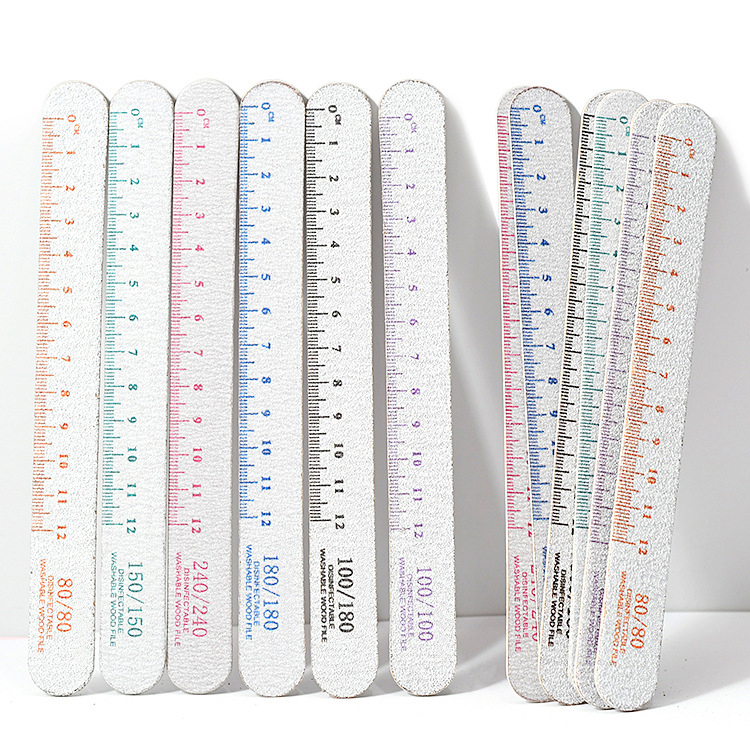
Ultra Thin Wooden Nail File Long Strip Zebra Nail Polishing File Wholesale
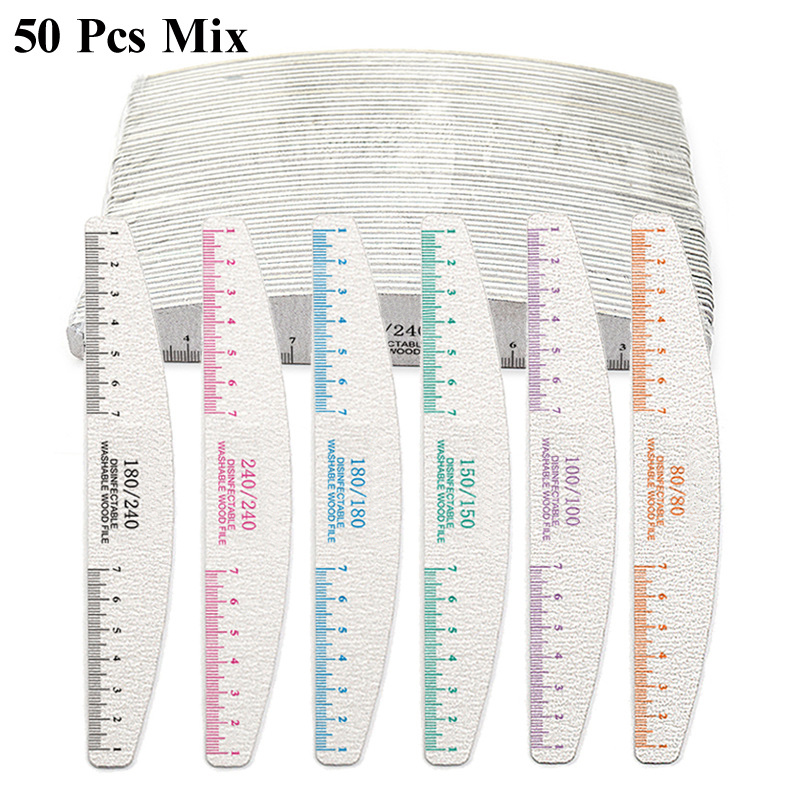
Custom Logo Washable Half Moon Nail File 100 150 180 Grit Thin Wood Nail File
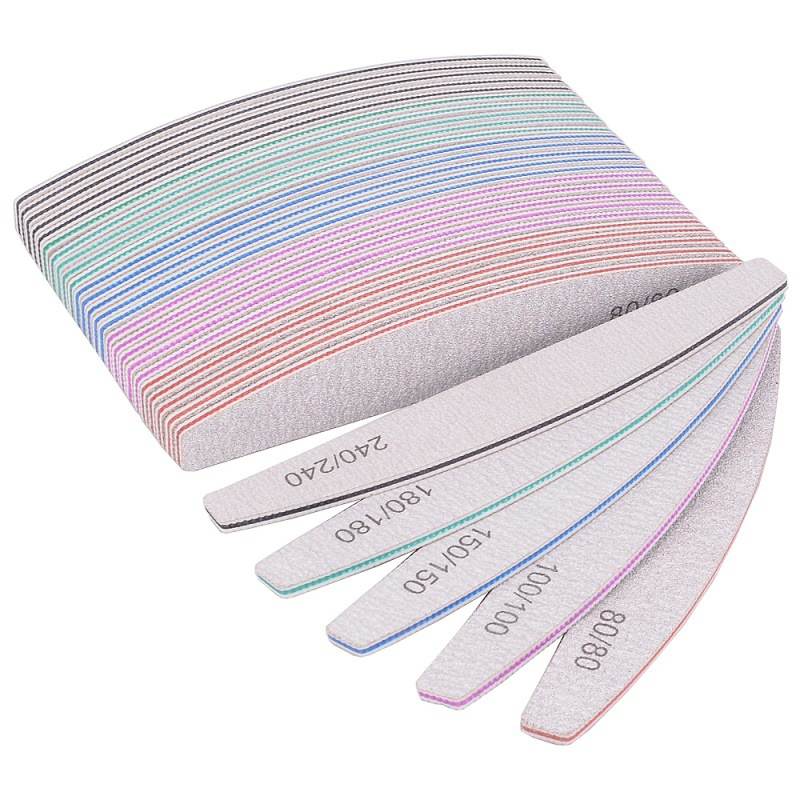
professional nail tool 80 100 180 grit nail sanding file zebra nail file custom logo
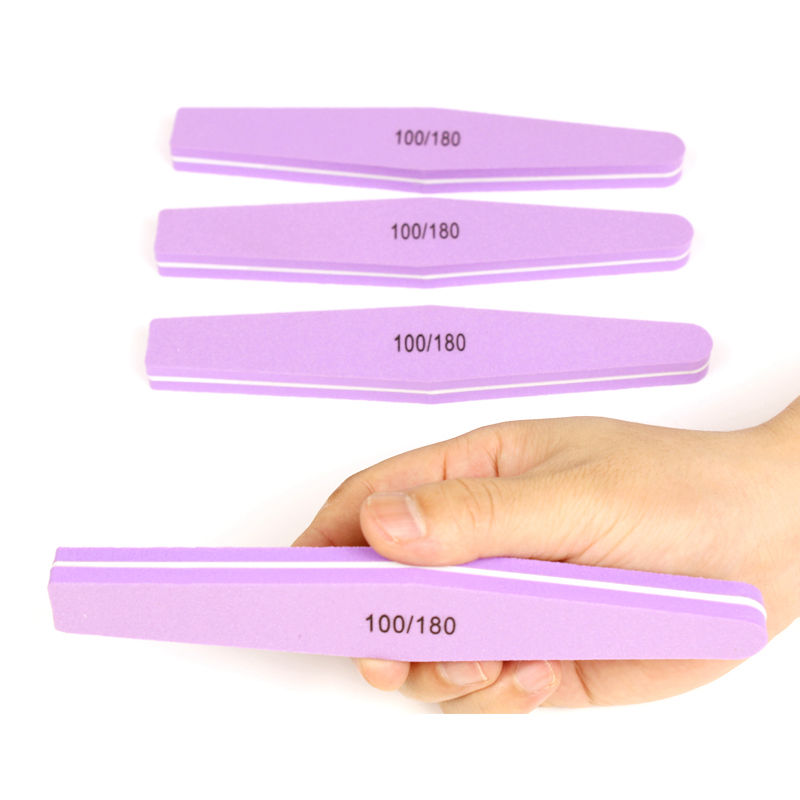
sponge nail buffer
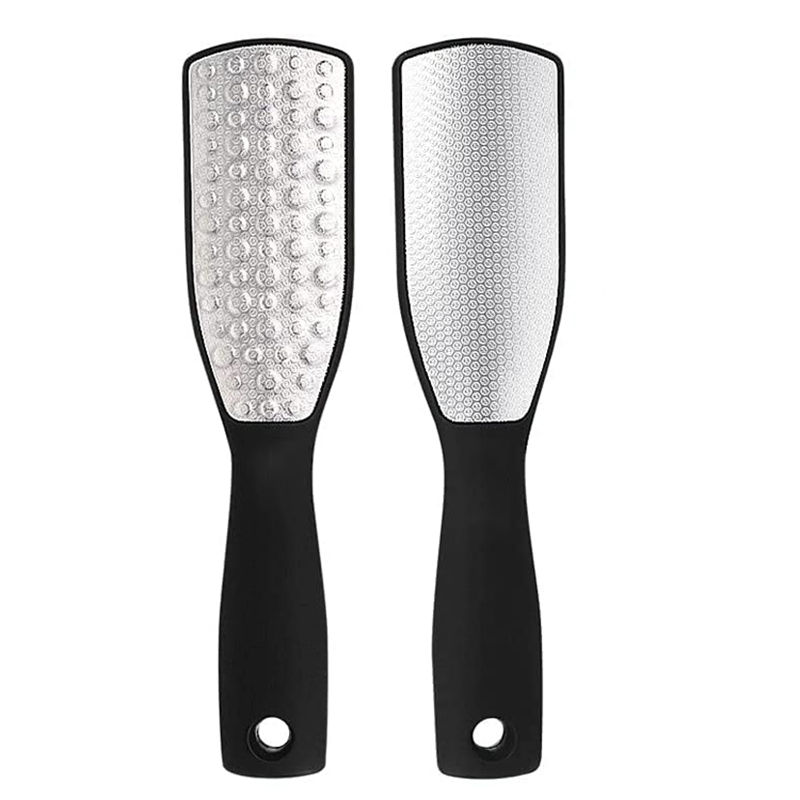
Metal foot file
Link Factory verification
OCT.09,2026PK67 vs Local PK Casinos: What Actually Differs
SEP.22,2026PK67 Beats Casinostugan on Games, Loses on Safety
SEP.22,2026Game Shows or Classic Live Monopoly Live?
SEP.22,2026777CB or Rant Casino: Which Payment Methods Fit You?
SEP.22,2026Do New Slots Really Pay Out More?
SEP.21,2026Lightning Roulette or RNG Roulette: Which Plays Better?
SEP.21,2026Play’n GO vs Push Gaming: Which Slots Feel Better?
SEP.21,2026Lucky Lady Moon Jackpot Trigger Mechanics Explained
SEP.21,2026Jackpot Sakura Fortune Worth It When The Pot Is Low?
SEP.20,2026
Dinopolis on Q789 is a mechanics-first slot, and the re-spin feature is the part that decides whether a session stays flat, turns volatile, or breaks open. Trigger rules are tight, payouts are tied to symbol density rather than flashy theatrics, and the hit rate tells a sharper story than the bonus art ever will. Spinomenal has built Dinopolis around controlled pressure: the base game feeds the respins, the bonus feature amplifies them, and the machine’s rhythm is defined by when the re-spin can lock in and when it dies out. Read the clause stack carefully, because the operator terms, paytable math, and feature conditions all sit in the same risk zone.
Dinopolis does not reward casual spinning with the same generosity as a high-frequency video slot. The re-spin mechanic is selective, which means the real value comes from knowing the trigger and measuring it against the expected payout ladder. On Q789, that matters because the operator’s game pages often summarize the feature in broad terms, while the actual clauses sit deeper in the rules. The practical question is simple: does the respin cycle add enough value to offset the lower base-game return windows?
Quick rule: set a stop-loss at 20 percent of bankroll before you spin. In a mechanics-led title, that is the cleanest way to avoid overpaying for a feature that may not land inside a short session.
| Metric | Dinopolis | Player impact |
| Base RTP | 96.05% | Middle-of-the-road return, not a cushion for long dry runs |
| Hit rate | About 24.3% | Roughly one winning spin in four, which keeps the base game active |
| Max win | 10,000x stake | Large enough to justify patience, not large enough to ignore variance |
The comparison that matters is not just RTP versus RTP. Dinopolis sits in a more aggressive lane than many standard 96% slots because the hit rate is modest and the re-spin value is concentrated in specific symbol layouts. A 96.05% game with a 24.3% hit rate can feel stingier than a 96.2% title with a broader win spread, especially when the feature requires a narrow trigger state. If Q789 publishes a reduced RTP version, that should be treated as a material downgrade, not a cosmetic change.
Dinopolis re-spins are not free-entry fireworks. The trigger depends on the feature condition appearing in the right position set, and that makes the slot more sensitive to symbol clustering than to raw spin count. When the trigger lands, the mechanic can extend a run of near-misses into a live sequence, but the player still needs the cluster to hold. That is the clause that hurts casual bankrolls: a re-spin cycle can start, then collapse before it reaches meaningful payout depth.
Here is the compliance lens. If the bonus feature requires a specific symbol count, a locked reel state, or a retrigger condition, Q789 should present that clearly before play starts. Vague wording around “may activate” or “can occur” is not enough for a game built on conditional respins. Licensing references should be visible in the lobby or rules panel; if the operator lists a license number, verify that the game jurisdiction matches it and that the feature rules are not being softened by local restrictions.
Player-facing warning: any feature that depends on consecutive trigger states can look more generous than it is. A 1-in-4 hit rate in the base game does not mean a 1-in-4 chance to enter the respin cycle.
Dinopolis pays in a staircase, not a slope. Small line hits keep the balance alive, but the meaningful returns come when the respin sequence stacks symbol value or unlocks a multiplier path. Against a conventional slot, that creates a tougher reading of volatility: the game can appear active while still draining funds faster than the payout chart suggests. That is why the payout distribution deserves more attention than the headline RTP.
Compared with flatter mechanics, Dinopolis is less forgiving but more decisive. A slot with a 96.05% RTP and a 24.3% hit rate can still be a good mechanical buy if the payout curve is steep near the top. The problem is the dead zone between ordinary hits and the feature spike. Players who ignore that gap tend to overspend waiting for a sequence that never fully forms.
Hit rate is the number that most players underuse. In Dinopolis, it is the clearest warning sign for session behavior because it shows how often the game returns anything at all. A 24.3% hit rate is workable, but it is not soothing. It means the slot can produce a steady stream of small returns while still carrying enough variance to punish overextension. On Q789, that becomes a compliance issue if the operator markets the game as “frequent action” without pairing that language with the volatility profile.
Stat check: a 24.3% hit rate means roughly 757 spins out of 1,000 may return nothing. That is not a flaw in the math; it is the cost of chasing a feature-led payout model.
Compare that with a softer slot that lands wins closer to 30% of the time. The softer title will usually feel more stable, but Dinopolis offers the possibility of more dramatic feature-linked jumps. The trade-off is clear: fewer winning spins, more dependence on the respin mechanic, and greater exposure to bankroll erosion if the trigger does not arrive inside your planned session length.
Operators do not always highlight the clauses that matter most. For Dinopolis, the key disclosures are the feature trigger conditions, any capped RTP version, the max win limit, and the license details attached to the game’s offering. If Q789 lists a license number, that number should be checked against the jurisdiction that governs the casino’s game library. A strong license does not remove variance, but it does reduce the chance of opaque rule changes being hidden in small print.
Compare the best and worst-case reading of the same slot: one version offers the full 96.05% return profile and transparent respin rules; another may run under a lower RTP setting or tighter local rule set. The difference is not academic. Over 10,000 spins, even a small RTP cut can become a visible bankroll drag. The same goes for feature restrictions. If a respin state cannot retrigger under certain conditions, that limitation should be explicit, not buried in a generic help page.
Players who want a clean reference point can use the official game and studio pages as a starting check. The Dinopolis mechanics are best understood by comparing the slot’s feature language with the studio’s broader design approach, including titles and rule structures published by Dinopolis by Nolimit City and the way feature-heavy games are framed in the wider market through Dinopolis by Pragmatic Play.


Guangzhou Fantastic Beauty Nail Co., Ltd .© 2020 ALL RIGHTS RESERVED Shipping PolicyReturn PolicyPrivacy Policy